Family Planning in Ethiopia

This week I am a guest of Save the Children on an observational trip in Ethiopia. I, along with three distinguished US nurses, are here to learn about Ethiopia’s frontline health workers, the 38,000 women strong health extension workers. The health extension workers were put into place by the Ethiopian government in 2003 and now through the work of Save the Children and other partners, health extension workers can diagnose and treat malaria, malnutrition, pneumonia, diarrhea and can also administer implantable and injectable contraceptives.

You can learn more about frontline health workers on Save the Children’s new site: Every Beat Matters

In speaking with Dr. Birkety Mengistu, the Maternal Newborn Child Health Advisor at Save the Children’s Addis Ababa’s office, we learned that there is an ample supply of family planning options for any woman who wants it. There are, however, cultural taboos about contraceptives causing many women to forego family planning altogether. 

29% of married women in Ethiopia use family planning services according to Pathfinder. And according to Save the Children 30 – 40% of family planning needs are currently being unmet.

With the vast majority of Ethiopian still living as subsistence farmers and each woman having on average 4.8 children it is essential for women to not only have access to family planning, but also a shift in cultural imperatives that dissuade women from making decisions about their own lives.

To learn more about Save the Children’s work on family planning read: Every woman’s right: How family planning saves children’s lives (pdf).

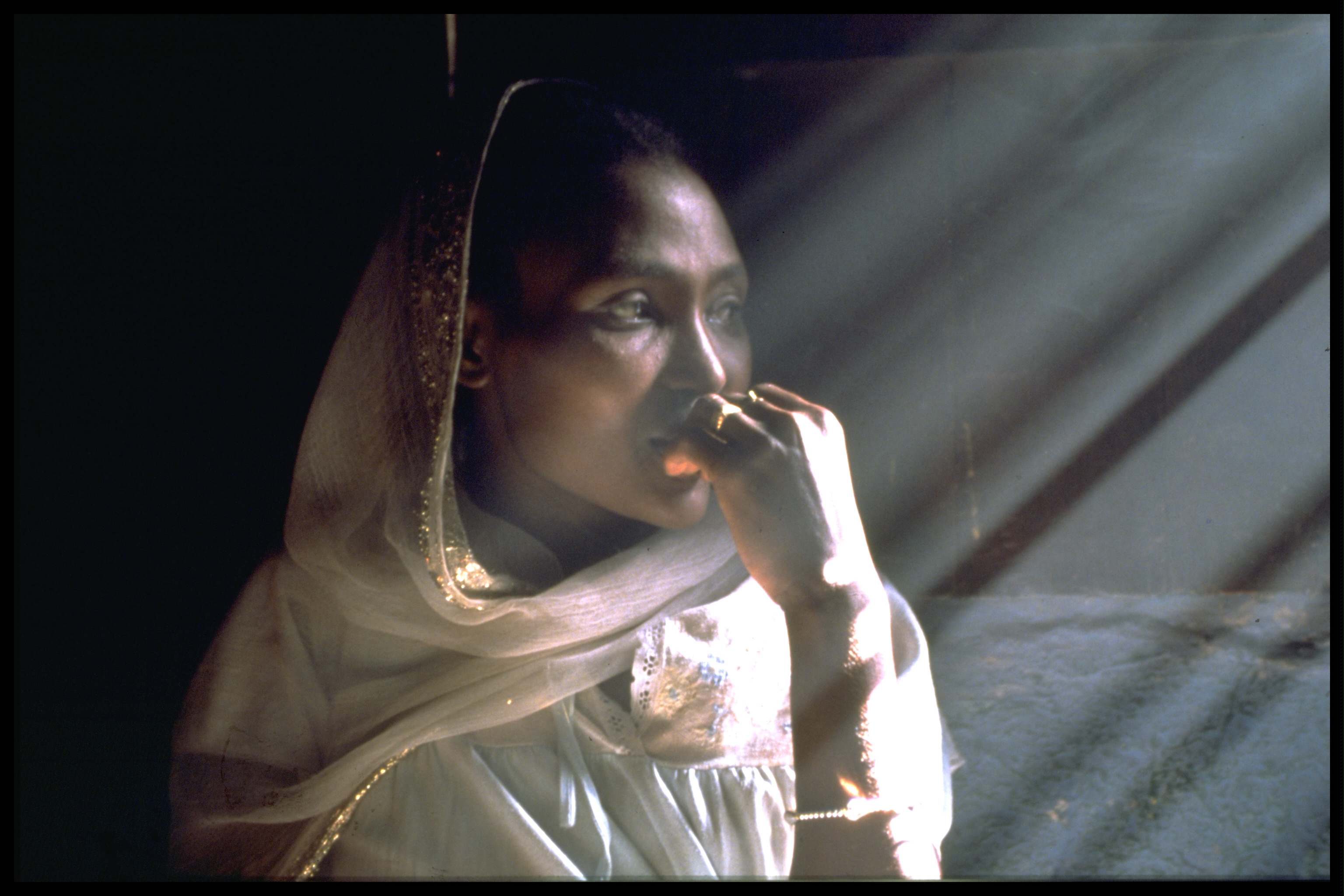
Photo: United Nations


Discover more from Social Good Moms

Subscribe to get the latest posts sent to your email.

3 responses to “Family Planning in Ethiopia”


  1. Thanks for the update Jennifer! How many men are Frontline Health Workers? Are the majority women? Can’t wait to hear more on your trip and learn more. I also hope you will share some photos too!


  2. Great question, Nicole. All 38k of the health extension workers are women. It’s for cultural reasons. It is easier for women to care for other women and children.


  3. […] Family Planning in Ethiopia (mombloggersforsocialgood.com) […]

Leave a Reply to thirdeyemomCancel reply

About US

Social Good Moms is a digital community and content platform dedicated to elevating issues that matter most to women and girls, from maternal health and reproductive justice to education, economic empowerment, and global health equity.

Created for socially conscious women, the site brings together storytelling, advocacy, and practical resources to raise awareness and inspire meaningful action. Through thoughtful articles, personal perspectives, expert insights, and curated resources, Social Good Moms aims to make complex social issues accessible, relatable, and actionable.

Africa Asia Bill & Melinda Gates Foundation Breastfeeding children Child survival Developing country Education Ethiopia family planning featured food food security girls Global health Haiti Health HIV/AIDS India Kenya malaria maternal health maternal health care maternal mortality Millennium Development Goals newborn health newborns poverty PSI Reproductive Health Save the Children South Africa Sub-Saharan Africa Tanzania UNICEF United Nations United States USAId vaccines women Women's rights Women and Girls World Food Programme World Health Organization Zambia

Discover more from Social Good Moms

Subscribe now to keep reading and get access to the full archive.

Continue reading

Discover more from Social Good Moms

Subscribe now to keep reading and get access to the full archive.

Continue reading