
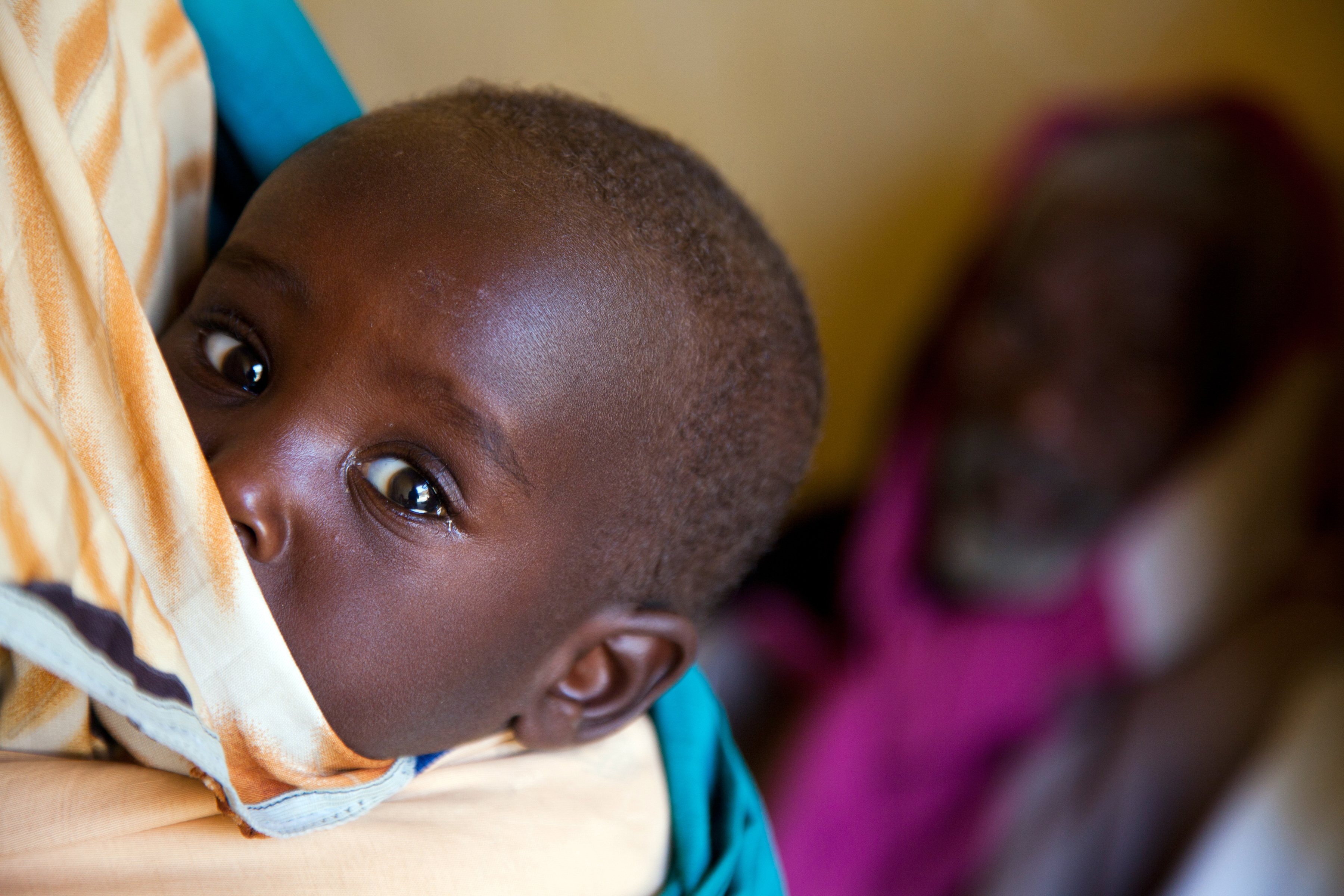

Exclusive breastfeeding for the first six months of a baby’s life is what will keep her the most healthy. There is good news out of Kenya. Exclusive breastfeeding has increased to 32% from a mere 13% in 2003. Exclusive breastfeeding helps keep babies healthy and it also provides a buffer for mother to child HIV transmission by four times.
In September Kenya passed a new law regarding advertising infant formula particularly in health settings. Health workers are also no longer allowed to receive kickbacks in any form from formula companies. This is very important because of the influence health workers have on their patients. The new law regarding health workers includes forbids the following.
A health worker or a proprietor shall not:
a) accept from a manufacturer or a distributor of a designated or complementary food product –
(i) a gift;
(ii) financial assistance;
(iii) fellowship, scholarship, research grant, study tour, funding for meetings and conferences, seminars or continuing education courses; or
(iv) sample of a designated or complementary food product;
(b) distribute or display a designated or complementary food product; or
(c) demonstrate the use of a designated or complementary food product to mothers or members of their families unless in such special cases of need as may be determined by the Cabinet Secretary or his representative, in writing.
The new law also requires formula packaging to include appropriate risks of using formula. We cannot forget that having access to clean water is also an issue in Kenya, so using formula for a baby can potentially be life threatening.
According to WHO data the northeastern part of Kenya sees the largest percentage of exclusive breastfeeding through six months. The coastal part of Kenya logs the smallest percentage of exclusive breastfeeding.
In addition to increased exclusive breastfeeding, Kenya is also seeing an increase in babies breastfeeding within the first hour after delivery. According to World Breastfeeding Trends Initiative in Kenya (2012) KDHS shows an improvement on the percentage of babies’ breastfed within one hour of birth from 52.3% (2003) to 58.1% (2008/09). However, this indicator has stagnated between 52% and 58% since 1993 with 2003 registering the lowest prevalence.
To learn more about Kenya’s exclusive breastfeeding increase visit www.irinnews.org.
Photo: United Nations/ Photo by Albert González Farran






Leave a Reply