

Why Are More Midwives Needed?
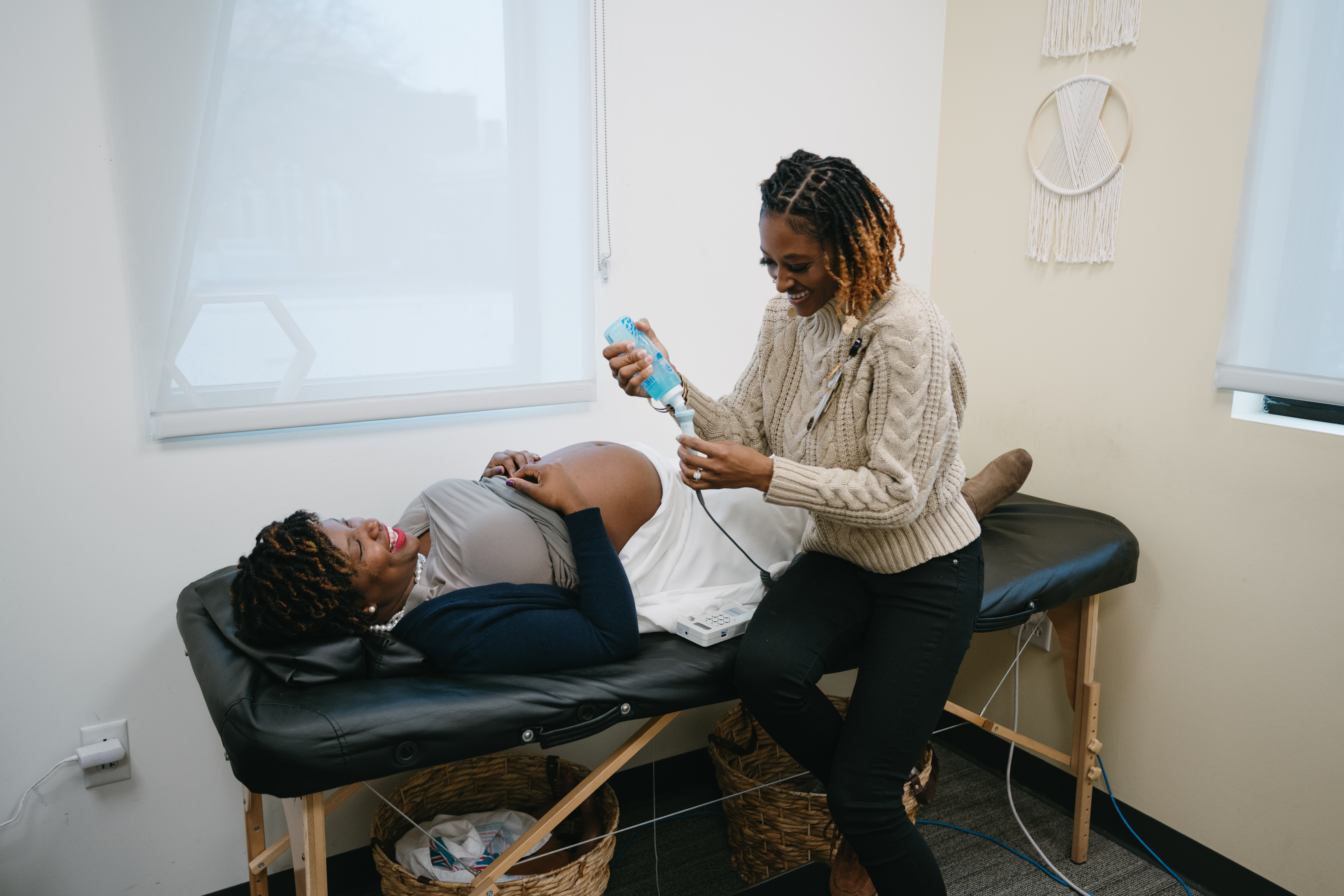
Data shows that midwives improve maternal health outcomes. Did you know that a woman dies every two minutes from complications during childbirth? Ninety-nine percent of these deaths are wholly preventable and happen all over the world, even in the United States. That is why the International Confederation of Midwives has launched a global initiative called One Million More Midwives, calling on governments and global health institutions to invest in more midwives for childbearing women.
As we know, all global health decisions are based on data. The data about the emergency need for more midwives is irrefutable. A million more midwives will prevent 67% of maternal deaths, 64% of newborn deaths, 65% of stillbirths, and save an estimated 4.3 million lives every year until 2035. Regionally, the vast majority of midwives are needed in low-and middle-income countries. In fact, Africa accounts for 46% of the global shortage. In the Americas, 85% of the need for midwifery is unmet. In Europe, persistent shortages are reported in various countries.
“This is not a future risk. It is a present reality,” said Anna af Ugglas, Chief Executive, ICM . “Nearly one million missing midwives means health systems are stretched beyond capacity, midwives are overworked and under-supported, and care becomes rushed and fragmented. This is not only a workforce issue, it is a quality and safety issue for women and babies.”
How Midwives Improve Maternal Health
In the United States, midwives attend to 12% of all births. And we rank 55th in perinatal outcomes among countries with similar resources. Birth outcomes, of course, are worse where there is limited access to quality maternal and newborn care. According to a recent PubMed article, Midwifery Care in the United States, there are six barriers to more births with a midwife, including
- limited workforce development
- systemic racism and the historical dismantling of the midwifery workforce
- invisibility in birth certificate data
- inequitable reimbursement
- regulatory and legislative restrictions
- discriminatory hospital policies
Even though more money is spent on perinatal care in the United States, maternal mortality remains alarmingly high. There are an estimated 1200 maternal deaths per year in the United States. Why are there not more midwives in the United States? Many cite perinatal burnout among midwives and obstetricians, and fewer students are choosing to go into childbearing care. And as financial clawbacks happen across the country, we are also seeing more rural hospital closures and counties where there are no hospitals or childbirth centers at all. This prevents quality care as women must travel long distances for simple maternal health care.
The Global Midwife Shortage
“We simply don’t have enough midwives to serve our communities. In South Dakota, more than half the population lives in maternity deserts, where women may need to travel 60 to 120 miles to access care. We need more midwives, more access to midwives, and policies that allow them to work to their full scope of practice to serve rural populations,” said Mandy Steen, midwife and board member of South Dakota Birth Matters, an organization working to expand access to midwifery and birth options across the state.
What Can Be Done to Support Midwives?
In June, the International Confederation of Midwives will present all signatures for their Million More Midwives initiative to policymakers during the ICM Triennial Congress. Sign the petition to add your voice to the movement.
Photo Courtesy of ICM



Leave a Reply