
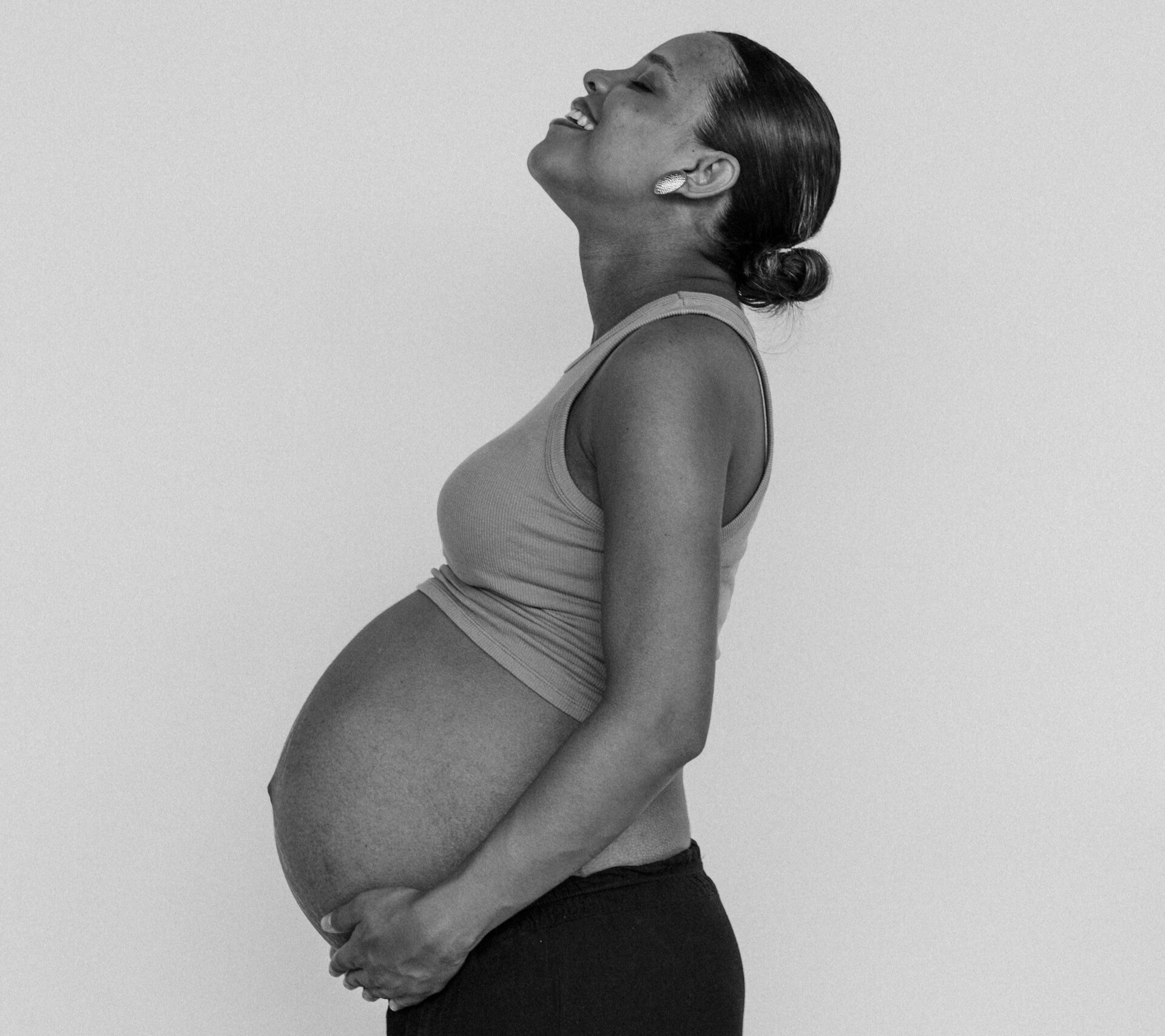

The new maternal mortality rates from 2024 were released this week from the National Center for Health Statistics. Most of the data remain the same as in 2023, with a modest decrease in maternal deaths from 669 to 649. And, Black maternal deaths are still the highest among all others, including Asian, non-Hispanic, White, non-Hispanic, and Hispanic women. It is worth noting that from 2023 to 2024, the Black maternal mortality rate decreased from 50.3 to 44.8 per 100,000 live births.

Black women continue to face a risk of maternal death more than three times higher than White women, underscoring long-standing inequities in access to care, treatment, and social determinants of health.
Public health experts emphasize that these disparities are not explained by income or education alone, but are linked to systemic factors, including structural racism, unequal access to high-quality care, and differences in treatment within the health care system.
In addition to race, age is also a contributing factor to maternal mortality, which is measured by women who die while pregnant or 42 days after termination of pregnancy, except for accidental or incidental deaths.

In 2024, maternal mortality rates were 13.7 deaths per 100,000 live births for women younger than age 25, 16.5 for those ages 25–39, and 62.3 for those aged 40 and older.
- 13.7 deaths per 100,000 births among women under age 25
- 16.5 deaths per 100,000 births among women ages 25–39
- 62.3 deaths per 100,000 births among women aged 40 and older
Women over 40 face a risk about five times higher than women under 25.
These differences reflect the growing number of pregnancies among older women and the increased likelihood of complications such as hypertension, cardiovascular disease, and diabetes.
Why These Numbers Matter
Maternal mortality statistics are more than numbers—they represent mothers, families, and communities affected by preventable loss. How can we get these numbers down? Expectant mothers need more:
- Access to high-quality prenatal and postpartum care
- Medicaid coverage for postpartum mothers
- Community-based birth workers and doulas
- Investments in maternal health equity
Reference
Hoyert DL. Maternal mortality rates in the United States, 2024. NCHS Health E-Stats. 2026 Mar;(113):1–7. DOI: https://dx.doi.org/10.15620/cdc/174651
.





Leave a Reply