

By Banke Sorinwa, a Nigerian mother and worker in financial services in Lagos.
It was our first day back to boarding school after the summer break. Some students shared hugs and narrated tales of the long holiday, while others were teary eyed because we were once again stuck in the four walls of school. It was also the time we looked forward to meeting the new students.
My friend Tonya noticed a new girl saying goodbye to her mom. We both also noticed that she was in crutches. That’s when Tonya told me a story about herself as a child.
Tonya said how fortunate she was that her parents discovered early on that she had polio. She was lucky in that she fully recovered. The girl Tonya and I saw on the first day of school was in her first year at secondary school and was on crutches till the end of the academic year.
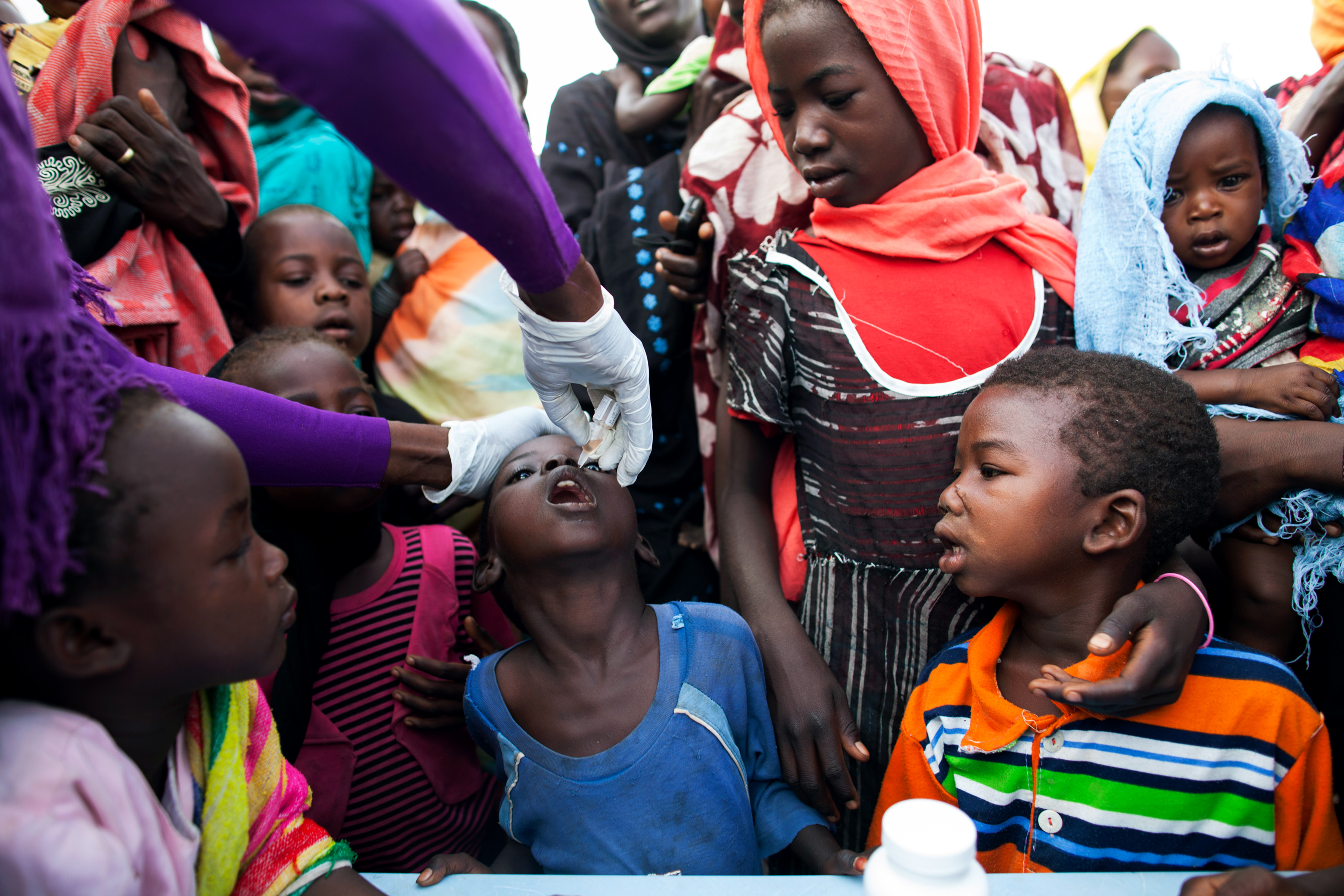
In Nigeria awareness about vaccinations is on the rise although there are still some who are uninformed. Diseases prevented by vaccines, such as pneumonia, diarrhea, meningitis, and measles constitute about a quarter of the 800,000 child deaths in the country. Poor immunization coverage especially in rural areas has led to a high burden of vaccine preventable diseases in children. Nigeria has made considerable progress in its routine immunizations programs, however, there are still some critical gaps. One million children still failed to receive all their required vaccines in 2011. Polio, which had been on the decline, has also begun to make a comeback.
Vaccines are important and parents who want the best for their children should ensure they are vaccinated at the right time. The government has taken responsibility of the cost to encourage easy access to these vaccines at the healthcare centers. There are also routine vaccination schedules and vaccination cards given at birth to mothers which are checked off after each immunization is given. According to recent WHO estimates, 868,000 children under the age of five years die in Nigeria every year. As a result of both a high child mortality rate and a large population, Nigeria is second only to India in the total number of childhood deaths. These deaths are caused mainly from preventable causes. We need to do better, so that every child has the opportunity to reach their potential.
Banke Sorinwa writes from Lagos, Nigeria where she lives with her family. Her contributions are majorly based on experiences she has had as a mother to a toddler and 11 month old baby. She works in a financial institution where she manages relationships with current and prospective clients.
UN Photo/Albert González Farran



Leave a Reply