
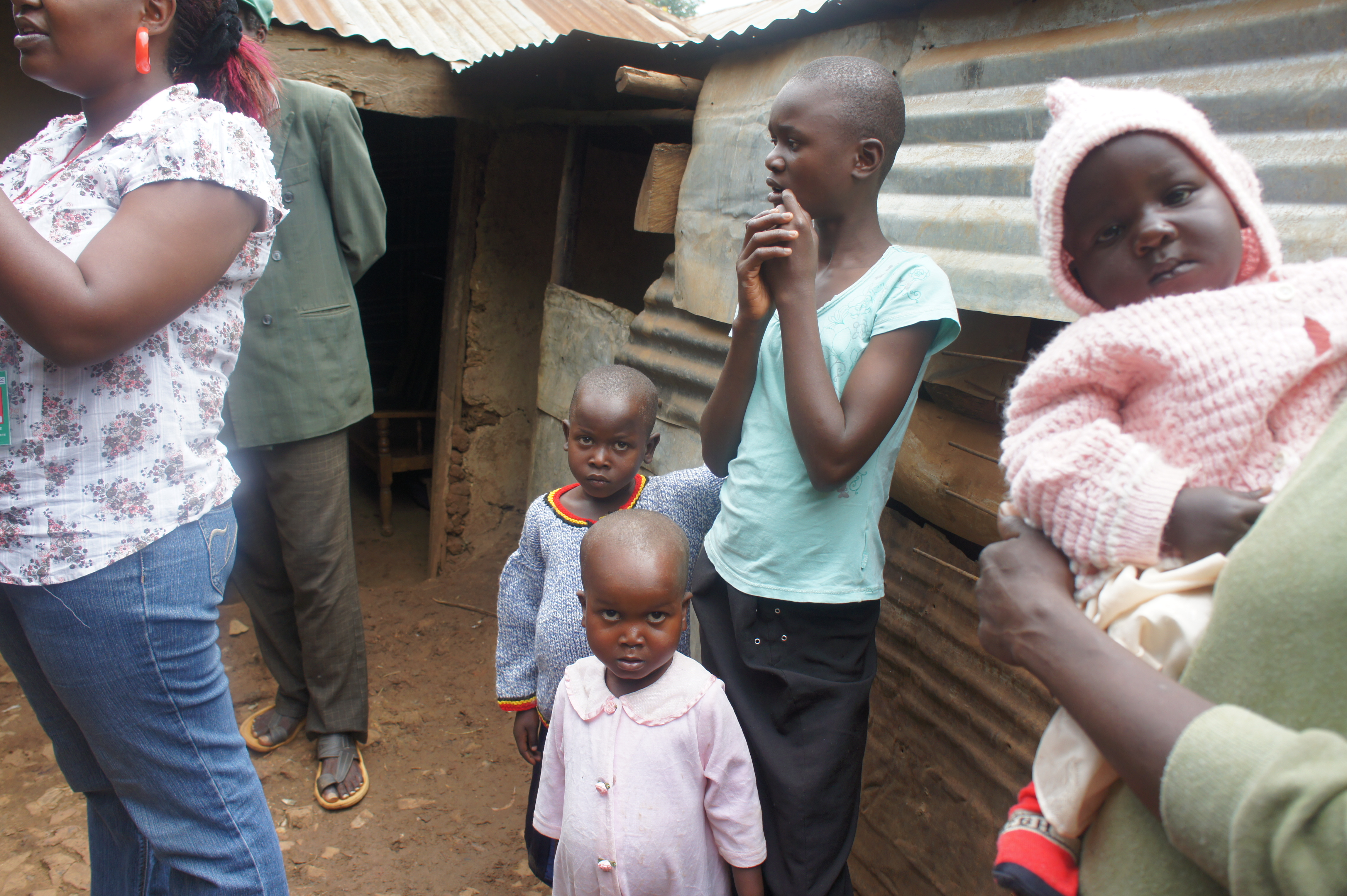


In many developing nations children are born with a distinct disadvantage: the risk of dying from pneumonia or diarrhea, the two leading causes of death for children in the third world. If these children are fortunate enough to escape the grip of those two infectious diseases they may come down with malaria or measles, or be crippled by polio.
Young lives teeter between life and death every day in the poorest countries in the world. In fact, 1.7 million children will die this year because they have succumbed to one of the aforementioned diseases. With life-saving vaccines, however, the outcome for hundreds of thousands of poor children in developing nations can be changed. They will live.
The United Nation Foundation’s new program, Shot at Life*, works to combat the problem of children dying senselessly from diseases that can be thwarted through simple vaccines. With a generous donation from the Bill and Melinda Gates Foundation and other partners such as UNICEF and GAVI Alliance, Shot at Life encourages Americans to champion vaccines as an effective, verified, and cost-effective way to save the lives of children in developing countries.
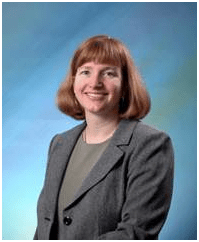
Recently a team from Shot at Life including its Executive Director, Peg Willingham, as well as a team of congressional staffers traveled to Honduras to see the rate of childhood vaccinations and the outcomes from vaccinating 99 percent of its children.
“We selected Honduras because we wanted to show a success story to congressional staffers and the media,” said Willingham. “We wanted to show them here are the people you are helping.”
“Honduras was one of the earliest countries to receive the new vaccines for pneumonia and diarrhea,” said Willingham. Since then GAVI Alliance, the Pan American Health Organization, the Honduras government including health workers, teachers, and the police as well as community volunteers have worked in tandem to ensure the successful inoculation rate of its children. This levels the playing field for children who could die from preventable disease and drastically reduces child mortality.
Willingham also cited Mozambique, one of the poorest countries in the world, because of its willingness and desire to vaccinate its children to help severely reduce measles cases. Even though Mozambique only has one major highway that traverses its country and has recently emerged from a devastating civil war, the Mozambique government had the political will to vaccinate its children. “Over the course of five days 3.6 million children in Mozambique were vaccinated,” recalled Willingham who was in the southeastern African country during their massive vaccination campaign. Such a large undertaking took nine months to plan and its success relied on a top-down model of everyone working together from the government and its partners to the media to health workers, church groups and local volunteers. Due to the widespread and succinct nationwide messaging some mothers walked 15 miles in order to ensure their children were vaccinated.
Shot at Life is currently building a national network of supporters who believe every child deserves the right to life by receiving life-saving vaccines. Since its soft launch in September 2011 over 74,000 people have already joined in support. Shot at Life is now working to engage even more people through social media and mothers’ and parents’ groups around the country to spread the word about their global efforts to keep children alive.
On April 26 during National Immunization Week, Shot at Life will officially launch in Atlanta at the world-renowned Georgia Aquarium. In preparation for their launch Shot at Life has brought in a team of digital moms to their Washington, DC offices today for a summit to gear up for a nationwide roll-out of volunteers to spread the word about vaccine awareness.
To learn more about how you can help visit Shot at Life at www.shotatlife.org.
* Shot at Life is an official partner of Mom Bloggers for Social Good




Leave a Reply