
-

11 Photos in Honor of World Water Day
This Sunday, March 22, is the United Nations’ World Water Day. 354 million people continue to not have access to clean, drinking water every day. This is a critical problem because dirty water causes a whole host of water-borne diseases that kill the smallest children, especially those under the age of five. “Without access to…
-
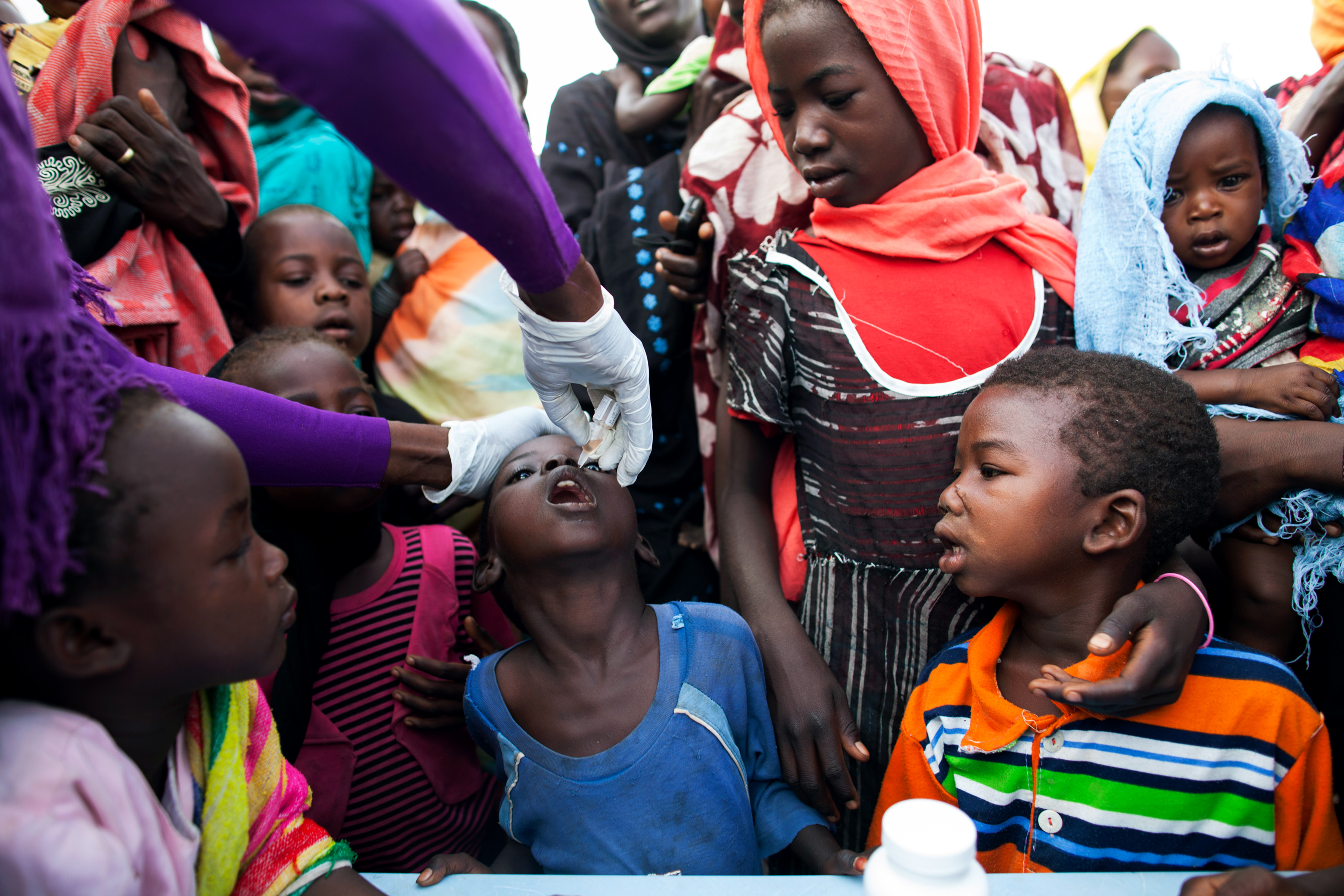
A Preventable Polio Story
By Banke Sorinwa, a Nigerian mother and worker in financial services in Lagos. It was our first day back to boarding school after the summer break. Some students shared hugs and narrated tales of the long holiday, while others were teary eyed because we were once again stuck in the four walls of school. It was…
-
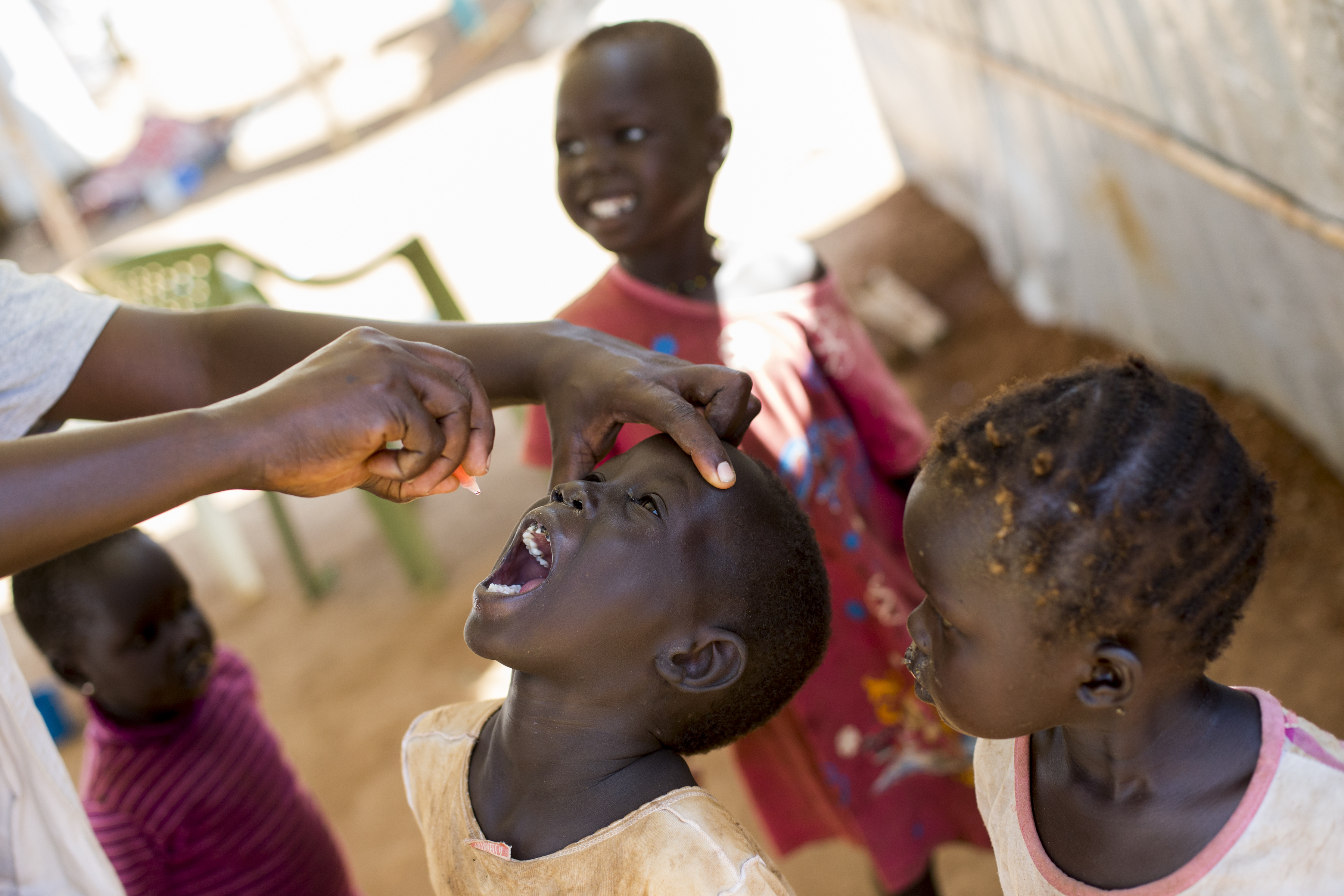
The Critical Stance on Raising Vaccine Awareness Abroad and at Home
By Lisi Martinez Lotz PhD, Program Director, Vaccine Ambassadors Vaccine Ambassadors was created by parents and healthcare professionals in an effort to raise awareness about the importance of immunizations for all children, whether living in an area where vaccines are part of routine care or where this resource is far less common. By becoming Vaccine…
-
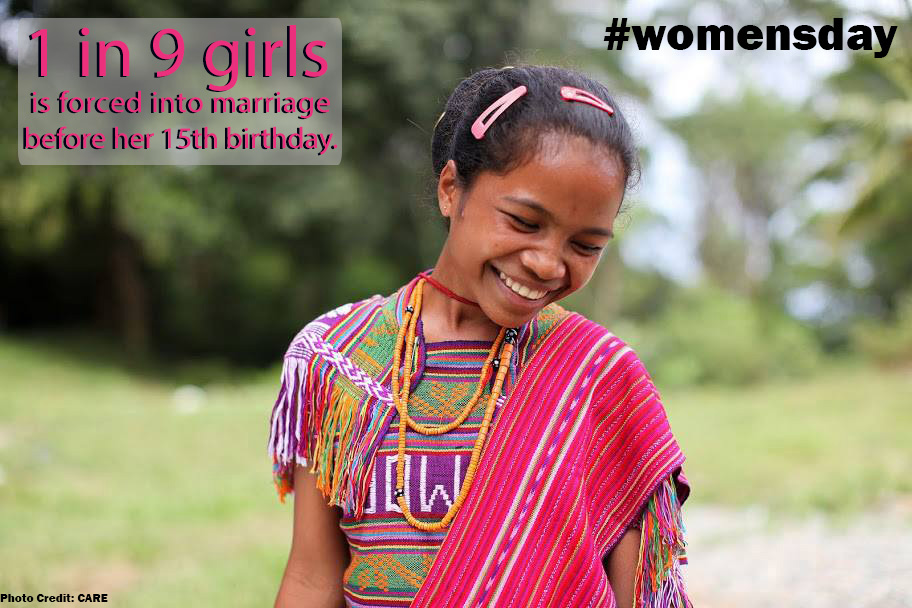
International Women’s Day Puts Spotlight on Global Poverty, Gender Inequalities
International Women’s Day Twitter Chat We will join Global Impact to discuss these aforementioned women’s and girls’ issues on Friday, March 13 at 1 PM EST. Join us using #HerDay2015. In Ormoc, Philippines women tend to take on village leadership roles to ensure children under five get their scheduled vaccinations and routine check-ups. These women also…
-

UNICEF Announces Largest-Ever Fundraising Appeal: How Parents Can Help
UNICEF announced its largest fundraising appeal in history, $3.1 billion, to provide assistance to 62 million children who are victims of armed conflicts, natural disasters, and infectious diseases. This latest appeal is a $1 billion increase over UNICEF’s 2014 appeal. “A staggering 1 in 10 of the world’s children – or more than 230 million…
-
Vaccination: From Policy Analysis to Personal Practice for a First-Time Mom
Guest post by Erin Sosne, Policy and Advocacy Officer for the Advocacy and Public Policy Department at PATH. This post originally appeared on DefeatDD.org. With the measles outbreak dominating the US vaccine-related news (and jeopardizing a trip my two-month old baby and I planned to take to visit family in southern California), I wanted to…
-
5 Global Health Stories We’re Following This Year
2015 will be an interesting year in global health primarily because this is the year when the Millennium Development Goals should ideally be reached. Global health experts admit that many of the goals, for example MDG5, will not be reached globally even though some of them have already been reached on a country level. Ethiopia effectively reached MDG4…
-
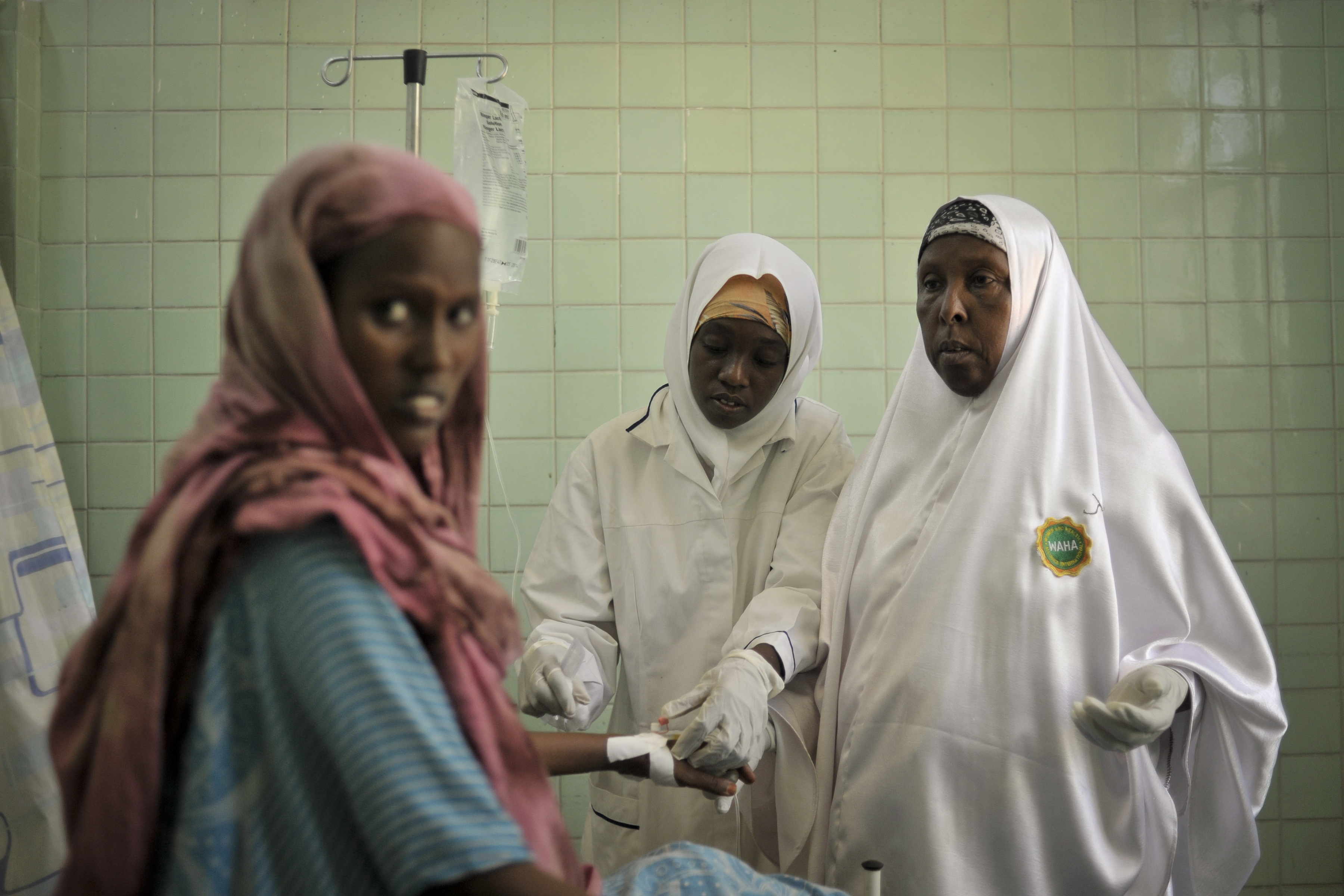
Our Top 10 Most Read Posts of 2014
Over the course of this year we have shared a great deal of global health news and information, reports from the field in Ethiopia, Nicaragua, Tanzania, and the Phillipines, and have broken down some of the most pressing global health documents. That said, some of our posts received many more reads than others. Here is…
-
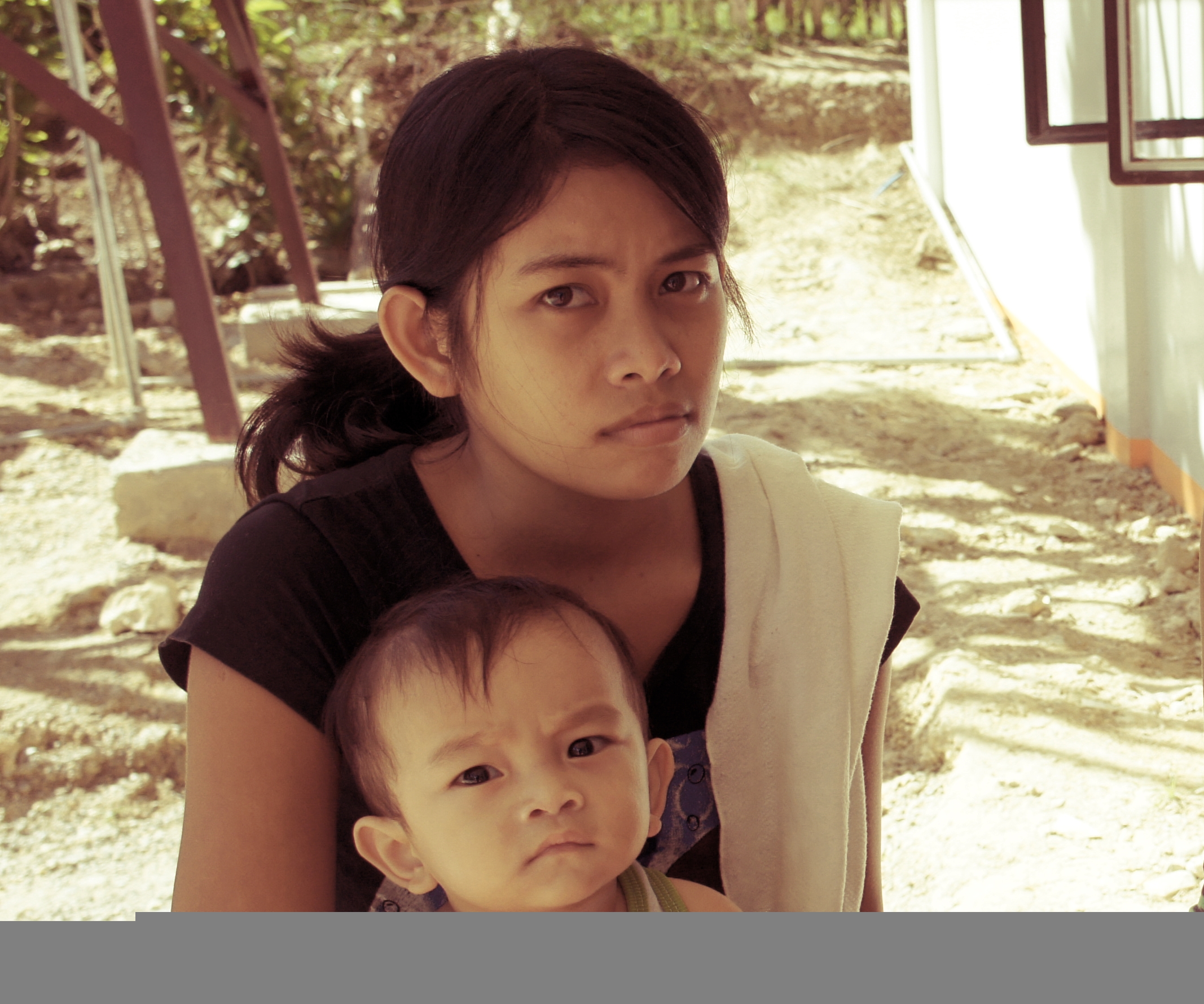
Why This 21-Year-Old Filipino Mother Dropped Out of School in 6th Grade
I met Jasmine and her son, Kent John, 7-months-old, on a sunny day at a free health clinic in Ormoc, a busy port city on Leyte island in the Philippines. At just 21-year-old Jasmine came to the clinic because Kent John had been experiencing a cough and fever for two weeks. Luckily located very close to the…
-
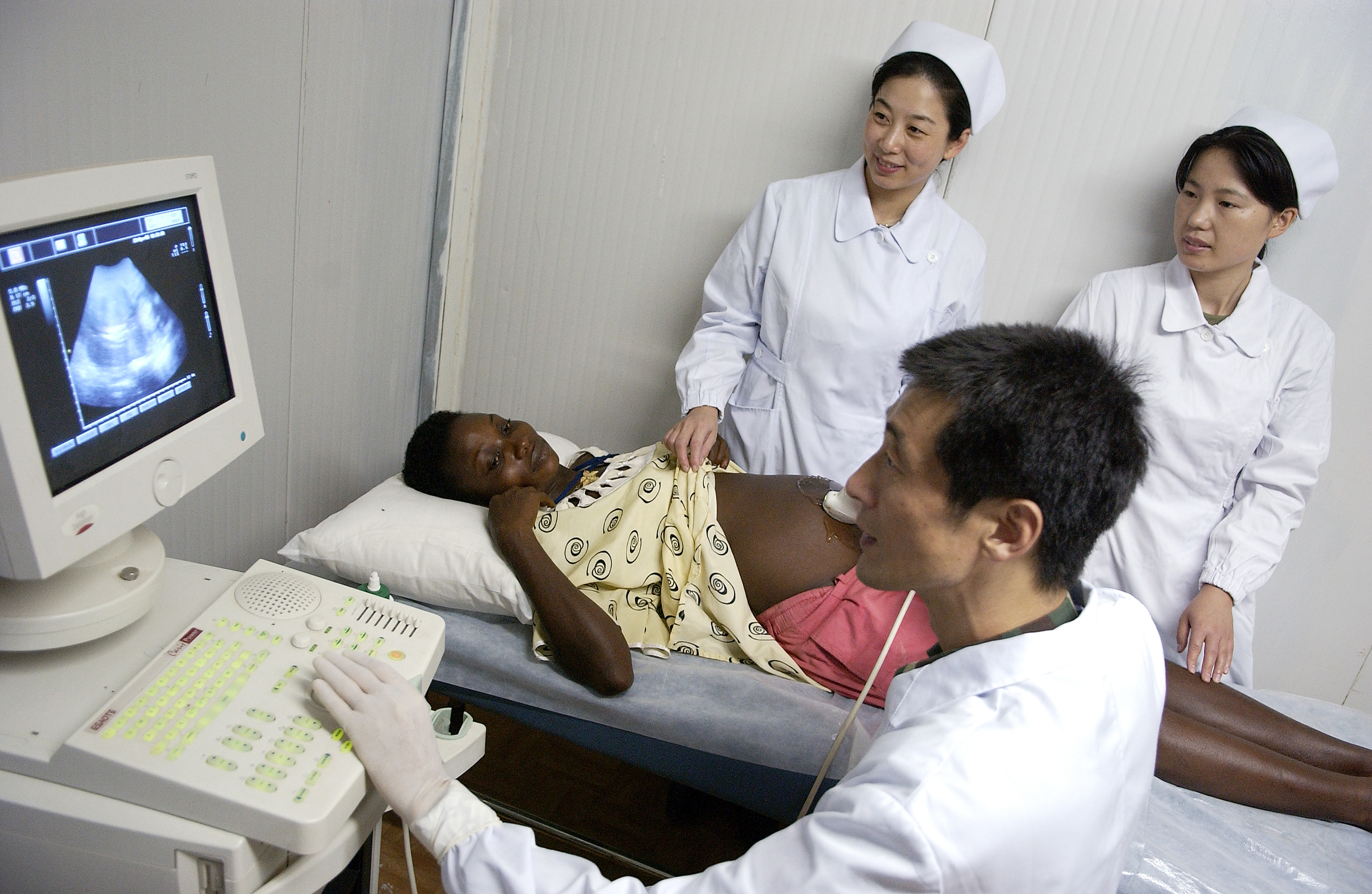
5 Maternal Health Organizations to Support Now
Every day 800 women die due to largely preventable causes during childbirth. That number is mentioned everywhere maternal health is mentioned and championed, but it always bears repeating. Until the drastic maternal mortality numbers decline the data must remain front and center. Mothers’ lives depend on us knowing the facts. Over the past few decades maternal…
-

7 Facts About Premature Births You Might Not Have Known
Photo: A premature baby is shown in the postnatal ward at Cama Hospital, a major hospital for women and children, in Mumbai, India. UN Photo/Mark Garten Premature births are now the number one killer of babies globally. Of the 6.3 million children under five who died last year, 1.1 million of them died due to complications from premature…
-

Why Secondary Education for Girls Reduces Child Marriage, Early Pregnancies
UNESCO just released its report, Sustainable Development: Post 2015 Begins With Education, that takes a look at the critical importance of education on the post-2015 agenda. The core stance in the report portends that without greater access to education poverty eradication will become increasingly difficult to achieve by 2030. The betterment of women’s and girls’ lives…
-
New Report on Child Mortality Trends Released
Today a collaborative report on trends in child mortality was released by the World Bank, UNICEF, the United Nations and the World Health Organization. According to the Levels and Trends in Child Mortality report, child mortality has dropped by 49 percent since 1990. Even so, Millennium Development Goal 4 (MDG 4) has yet to be reached.…
-
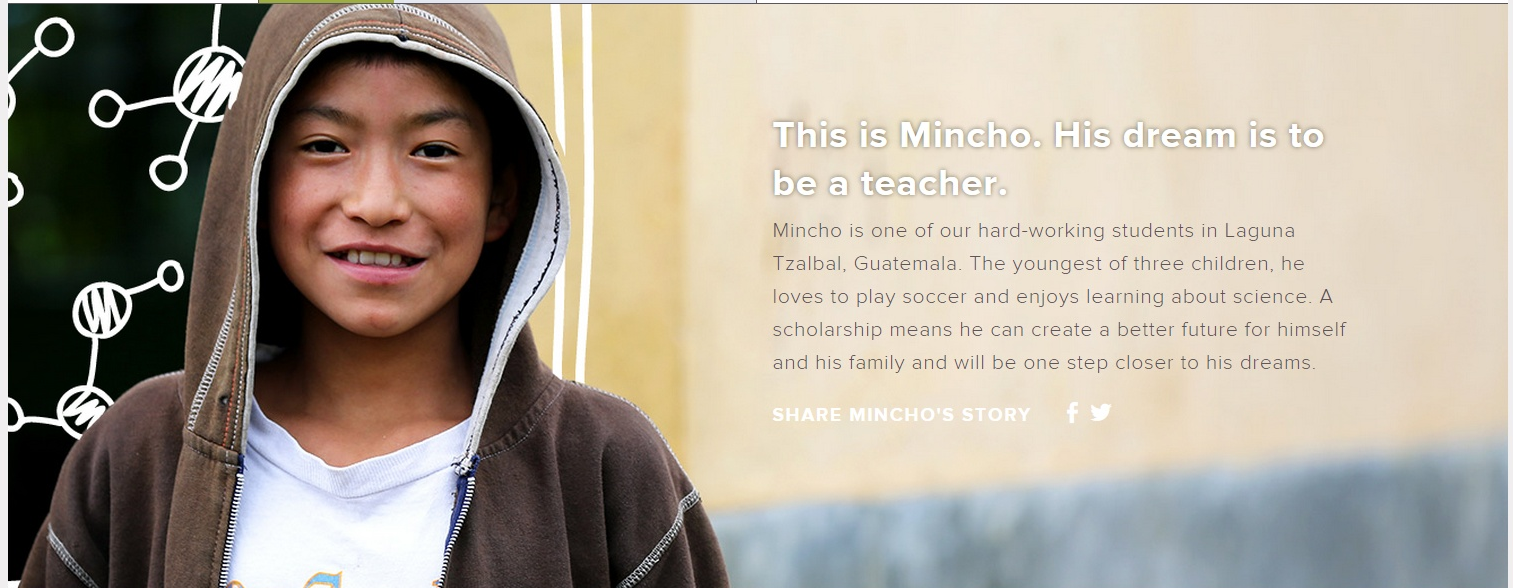
How You Can Send Children to School in Laos, Guatemala and Ghana
Education, it is often said, is the key to a child’s future. When a child in low and middle-income countries goes to school, their future income increases by 10 percent. Girls who go to school have healthier children when they get married when they matriculate, and educated girls also delay marriage. Additionally, girls who are less educated are more…
-
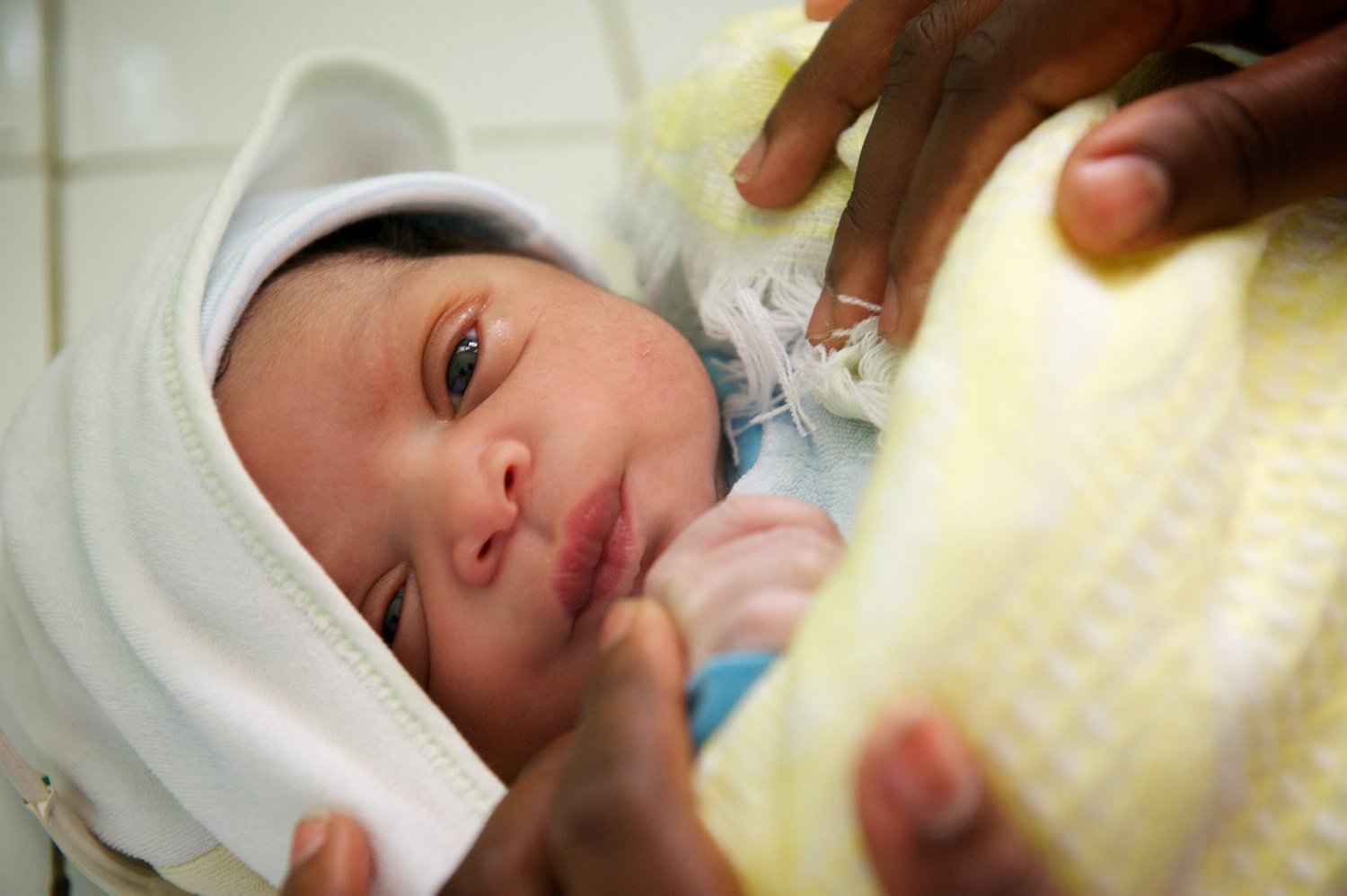
Introducing Our Maternal, Newborn, and Child Health Correspondents
As our work continues to expand globally especially as the MDG deadline nears in 2015 we want to ensure that international voices are the cornerstone of our coverage of maternal, newborn, and child health worldwide. We are beginning with three correspondents: Winfred Ogdom, a nutritionist from Uganda, Maryanne W. Waweru a motherhood blogger and journalist from Nairobi, Kenya,…
-
Logistics Team Visits South Sudan to Assess Road Conditions Amid Looming Famine
Last month, a United Nations team travelled to Western Equitoria, Central Equatoria, and Western Bahr El Ghazal in South Sudan to assess road conditions, an important task when famine looms in a region that is mostly agrarian. Without passable roads it is impossible for lifesaving, critical health supplies, health workers, aid agencies, and most importantly food…
-
Sharing Moms’ Stories for #WorldBreastfeeding Week: Ebony #WBW2014
Today marks the end of World Breastfeeding Week, but we still have more breastfeeding stories to share after today. We believe that moms help fellow moms through personal stories. That’s why we will continue to share the breastfeeding experiences of new and experienced moms alike. No one wants to feel alone at 2 AM in…
-
Sharing Moms’ Stories for #WorldBreastfeeding Week: Hope #WBW2014
One of the biggest concerns of breastfeeding mothers is whether or not they are producing enough breast milk for their babies. It’s a valid concern. Having a low milk supply can become an overwhelming frustration for mothers. Some turn to formula and others like Hope turn to pumping. When Hope didn’t think she was producing…
-
![[Photos] B&W Historic Photos of Public #Breastfeeding in the US #WBW2014](https://socialgoodmoms.com/wp-content/uploads/2014/08/add-subtitle-text-1.jpg)
[Photos] B&W Historic Photos of Public #Breastfeeding in the US #WBW2014
Long ago in Internet years (about seven years ago) I was a staunch breastfeeding advocate and researcher (still am!). Back then I wanted to get to the bottom of why nursing in public was such a big issue in the United States. So, I started digging in the photo archives of the Library of Congress…
-
Sharing Moms’ Stories for #WorldBreastfeeding Week: Jennifer #WBW2014
If there is one thing that is certain about breastfeeding it’s this: breastfeeding for every mother is different. Some mothers experience breastfeeding without any issues and others have difficulty getting their babies to properly latch or have problems producing enough milk at first. That’s why we believe it is important to share the stories of…