
-

11 Photos in Honor of World Water Day
This Sunday, March 22, is the United Nations’ World Water Day. 354 million people continue to not have access to clean, drinking water every day. This is a critical problem because dirty water causes a whole host of water-borne diseases that kill the smallest children, especially those under the age of five. “Without access to…
-
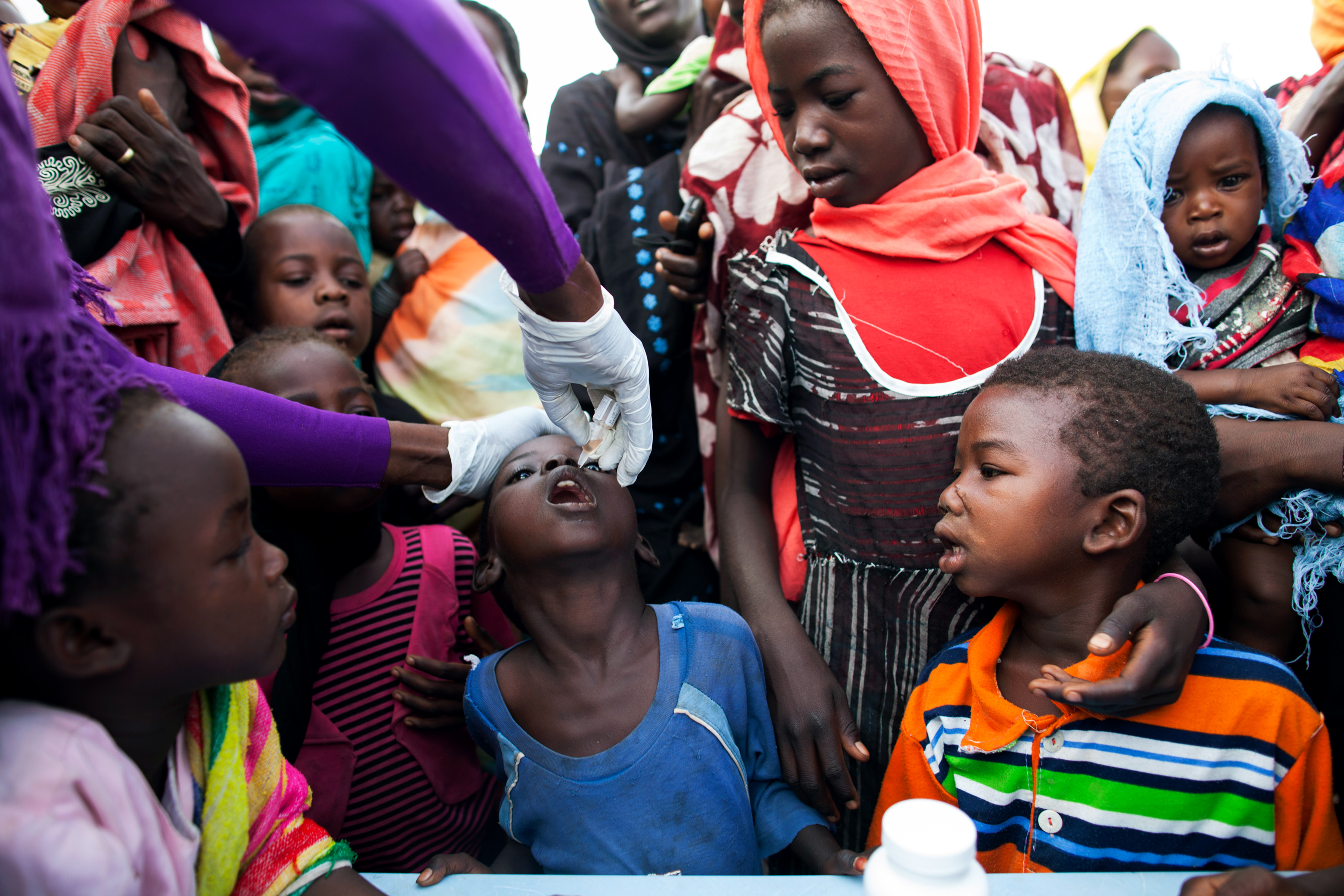
A Preventable Polio Story
By Banke Sorinwa, a Nigerian mother and worker in financial services in Lagos. It was our first day back to boarding school after the summer break. Some students shared hugs and narrated tales of the long holiday, while others were teary eyed because we were once again stuck in the four walls of school. It was…
-

Three Avocados Creates Clean Water and Education Projects Through Coffee Sales
For over five years Three Avocados has funded global water and education projects in Uganda and Nicaragua through the sale of their coffee and branded products like tumblers, T-shirts, and coffee mugs. I recently received two bags of Three Avocados arabica ground coffee – one from Nicaragua and the other from Uganda. Both are quite good. I…
-

ONE Campaign Reports that Global Poverty is Deeply Rooted in Sexism
Featured Photo: Paolo Patruno – www.birthisadream.org Today is International Women’s Day which calls upon the world to look at not only the seminal achievements women have made throughout history, but also assess the ways in which women and girls are being perpetually marginalized across the globe through sexist policies and cultural traditions. This sexism is further…
-
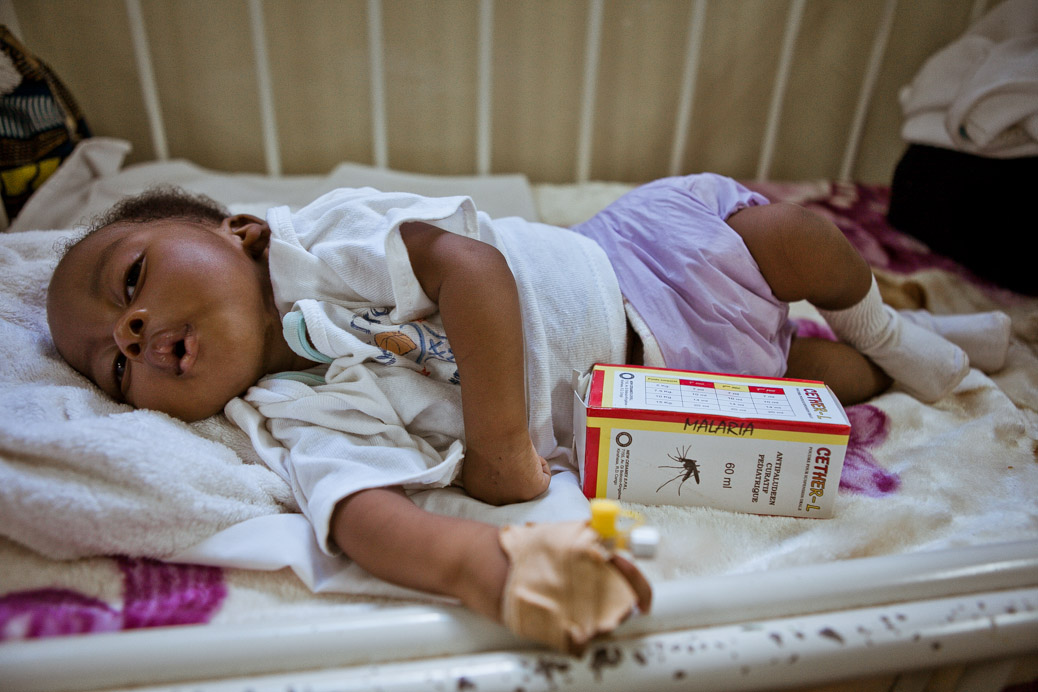
New 6-Year Global Strategy Launches to Further Curb Malaria Deaths
Since 2001 malaria deaths have fallen by 4.3 million. This is due in part because of a concerted scale-up of malaria prevention and control efforts, especially across sub-Saharan Africa. Increased funding has made this scale-up and global malaria prevention partnerships possible, and yet the funding falls short of the estimated $5.1 billion annually needed to…
-
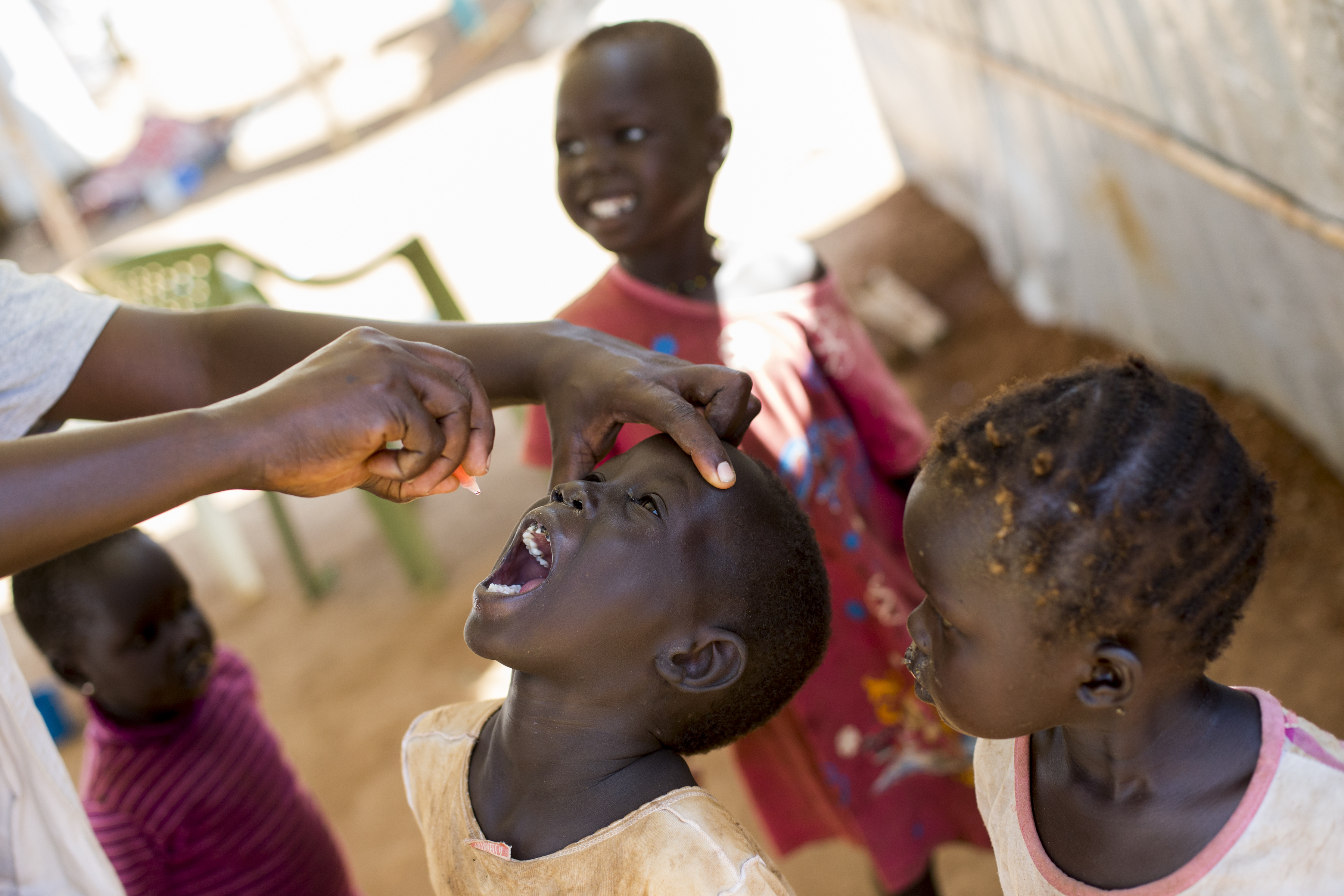
The Critical Stance on Raising Vaccine Awareness Abroad and at Home
By Lisi Martinez Lotz PhD, Program Director, Vaccine Ambassadors Vaccine Ambassadors was created by parents and healthcare professionals in an effort to raise awareness about the importance of immunizations for all children, whether living in an area where vaccines are part of routine care or where this resource is far less common. By becoming Vaccine…
-
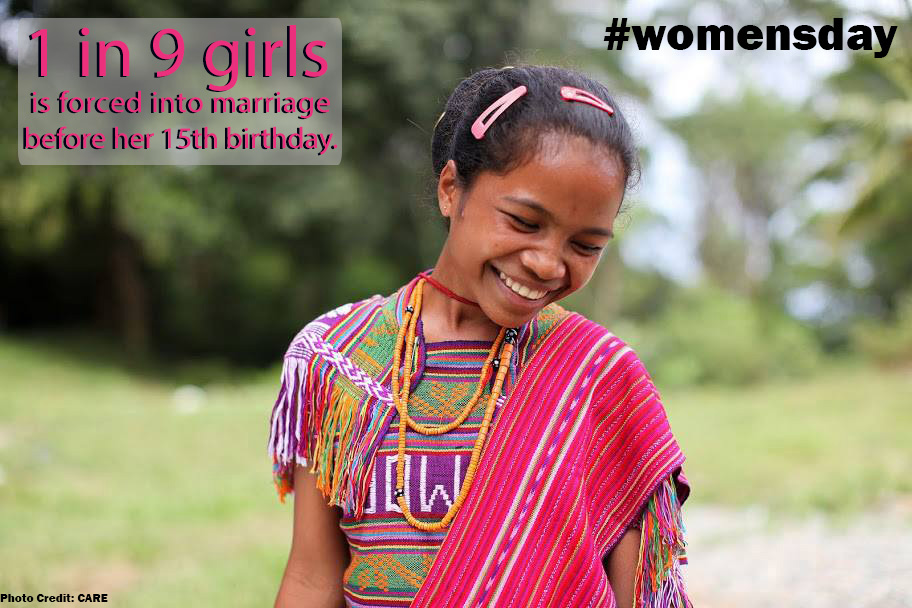
International Women’s Day Puts Spotlight on Global Poverty, Gender Inequalities
International Women’s Day Twitter Chat We will join Global Impact to discuss these aforementioned women’s and girls’ issues on Friday, March 13 at 1 PM EST. Join us using #HerDay2015. In Ormoc, Philippines women tend to take on village leadership roles to ensure children under five get their scheduled vaccinations and routine check-ups. These women also…
-
Human Rights Watch Exposes Mass Rape in Darfur
Last week, Human Rights Watch released a scathing report exposing mass rape by the Sudanese military. We first heard about these mass rapes late last year, but the news could not be easily corroborated. Since then, however, through telephone interviews, Human Rights Watch has been able to verify that nearly 200 rapes occurred during a three-day period –…
-

IN PHOTOS: Engaging Health Workers to End Female Genital Mutilation
Friday, February 6 was International Day of Zero Tolerance of Female Genital Mutilation. Individuals, corporations, NGOs, the media, and foundations rallied together to raise awareness about FGM. Over 140 million girls and women alive today have undergone some form of FGM and it is mostly carried out on young girls sometime between infancy and age 15. Press Conference…
-
Merck and WHO Partner to Curb Postpartum Hemorrhage Deaths
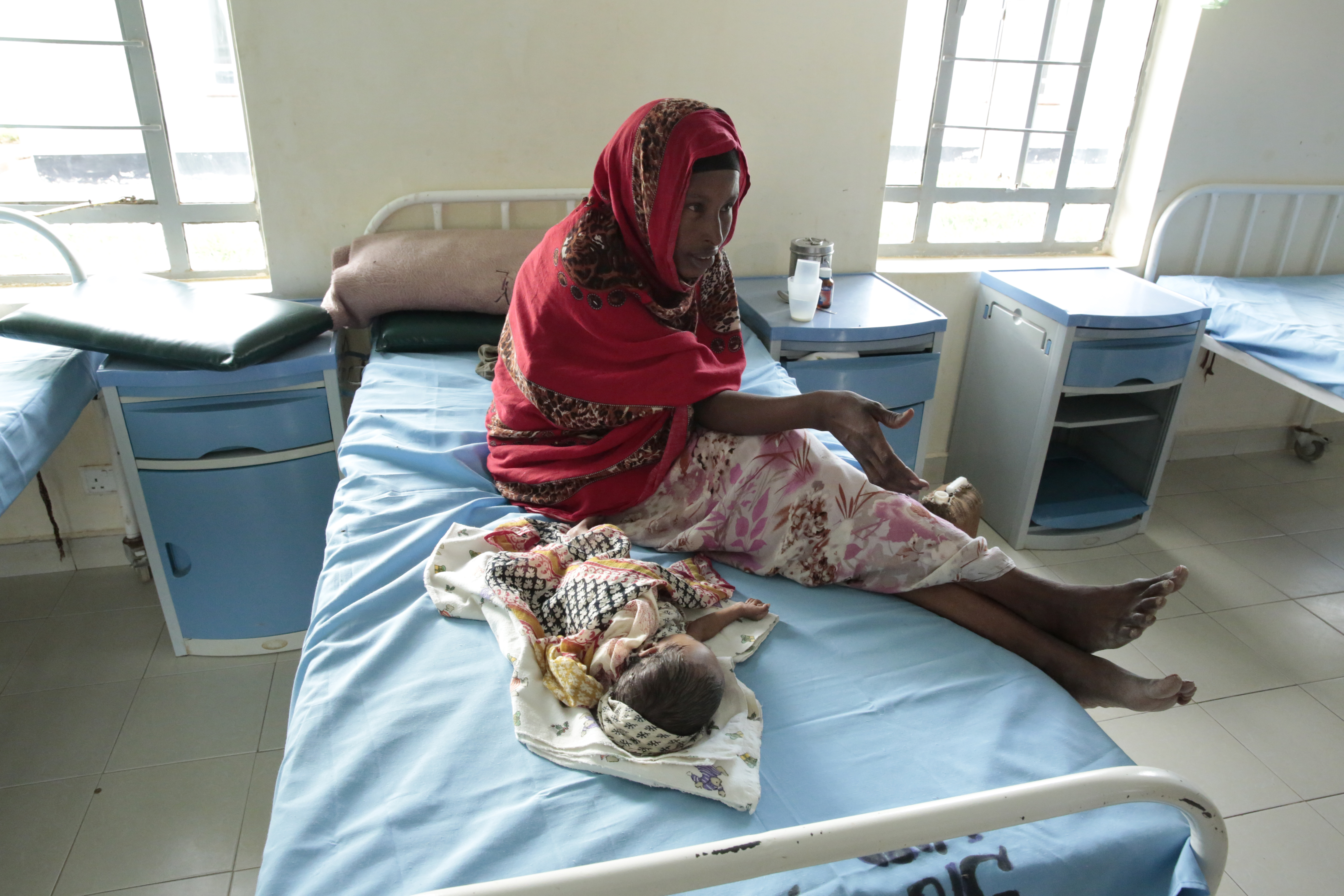
Earlier this month I wrote about Uganda’s move to use misoprostol for women who experience postpartum hemorrhage (PPH) during childbirth or immediately after delivery. PPH is the leading cause of maternal mortality for women around the world. 800 women die every day from complications during pregnancy and delivery; that is two mothers a minute. Misoprostol, it has…
-

Infographic of the Week: Africa Can Feed Itself
In Bill and Melinda Gates’ Annual Letter that was released this week, they bet that in 15 years Africa will be able to feed itself. For those of you who have never been to Africa you may think this is an overstretch, but it is entirely true and based on significant data. Most of the people…
-
Zambians Head to the Polls: Candidates’ Stance on Health Care
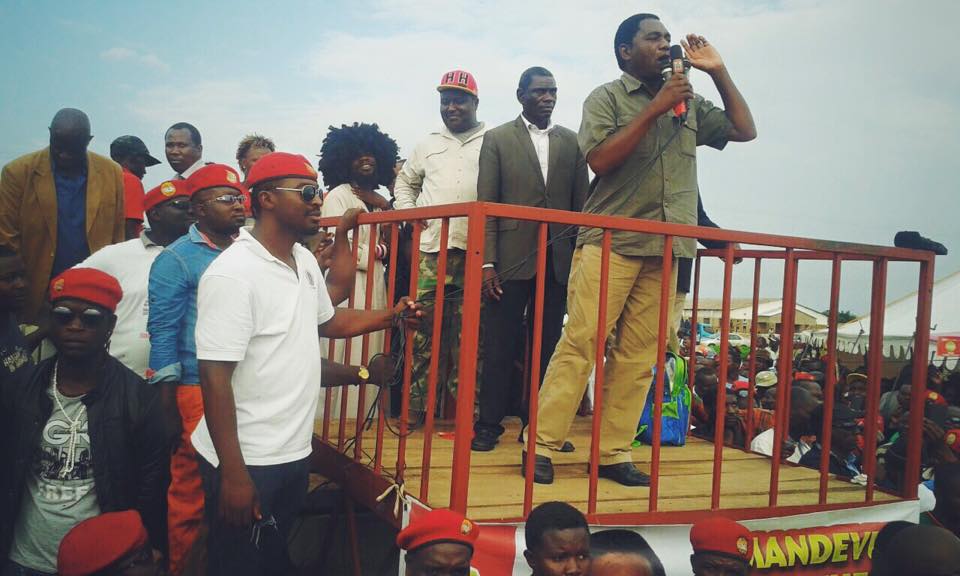
This morning as most Americans were asleep Zambians headed to the polls to elect either the candidate of the ruling party, Edgar Lungu of the Patriotic Front founded in 1991 by the late President Michael Sata, or the leading opposition candidate representing the United Party for National Development, Hakainde Hichilema. Political observers say the race is close and there is…
-

USAID Tackles Respectful Maternity Care, Better Working Conditions for Midwives
This week USAID released its follow-up to Ending Preventable Maternal Mortality: USAID Maternal Health Vision for Action (June 2014) with its new report of the same name with the addition of evidence for strategic approaches. These approaches seek to lower the world’s maternal mortality rate. Right now 289,000 women die per year from complications during…
-
In Photos: Safe and Dignified Burials in Sierra Leone
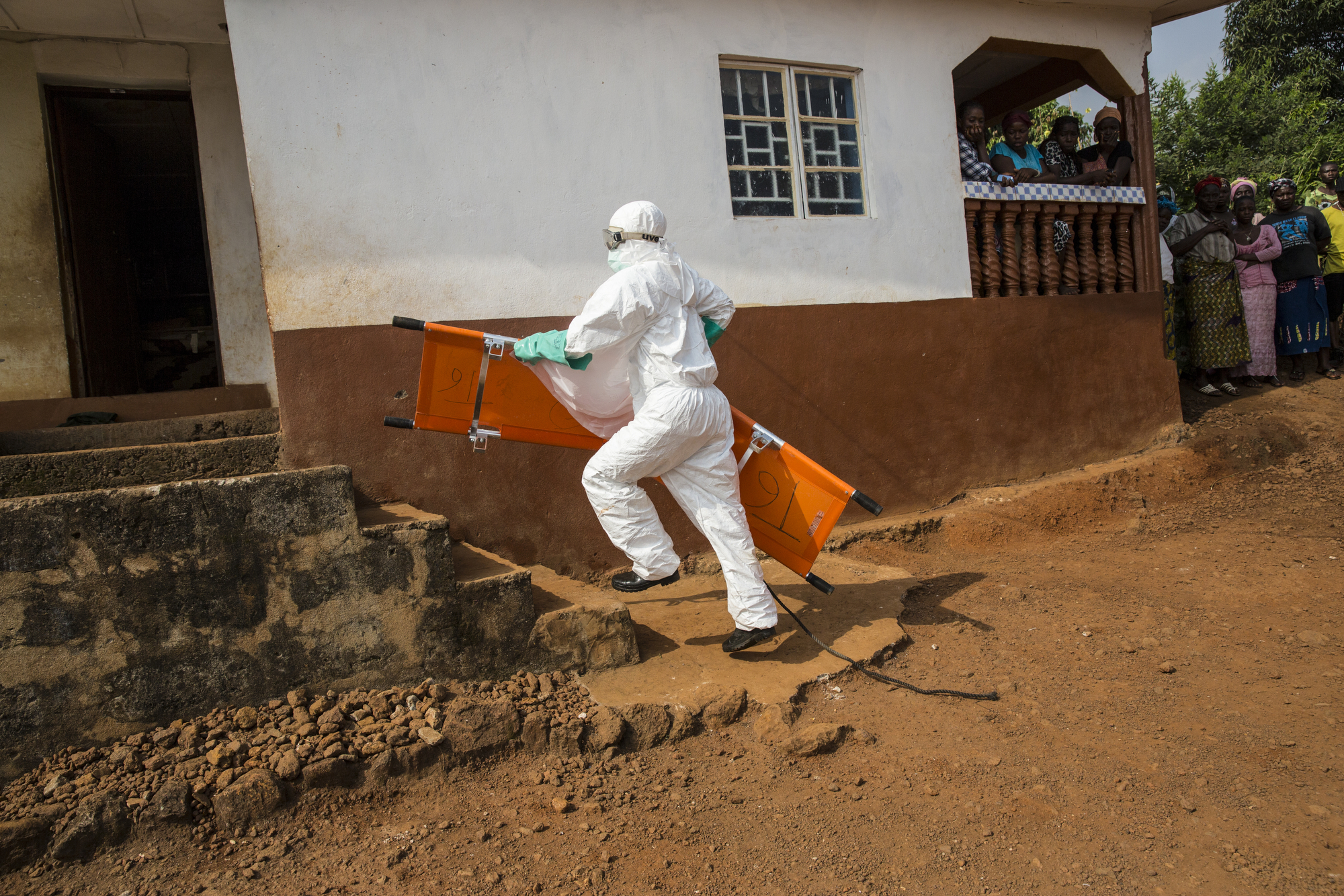
In September 2014 the Centers for Disease Control along with Sierra Leone’s Ministry of Health studied traditional burials in order to create a Standard Operating Procedure (SOP) for safe and dignified burials for those who die from Ebola. As of October 2014, a SOP for safe, dignified medical burials was approved and released by the Sierra…
-
New Global Projects Measure Newborn Health Interventions #EveryNewborn
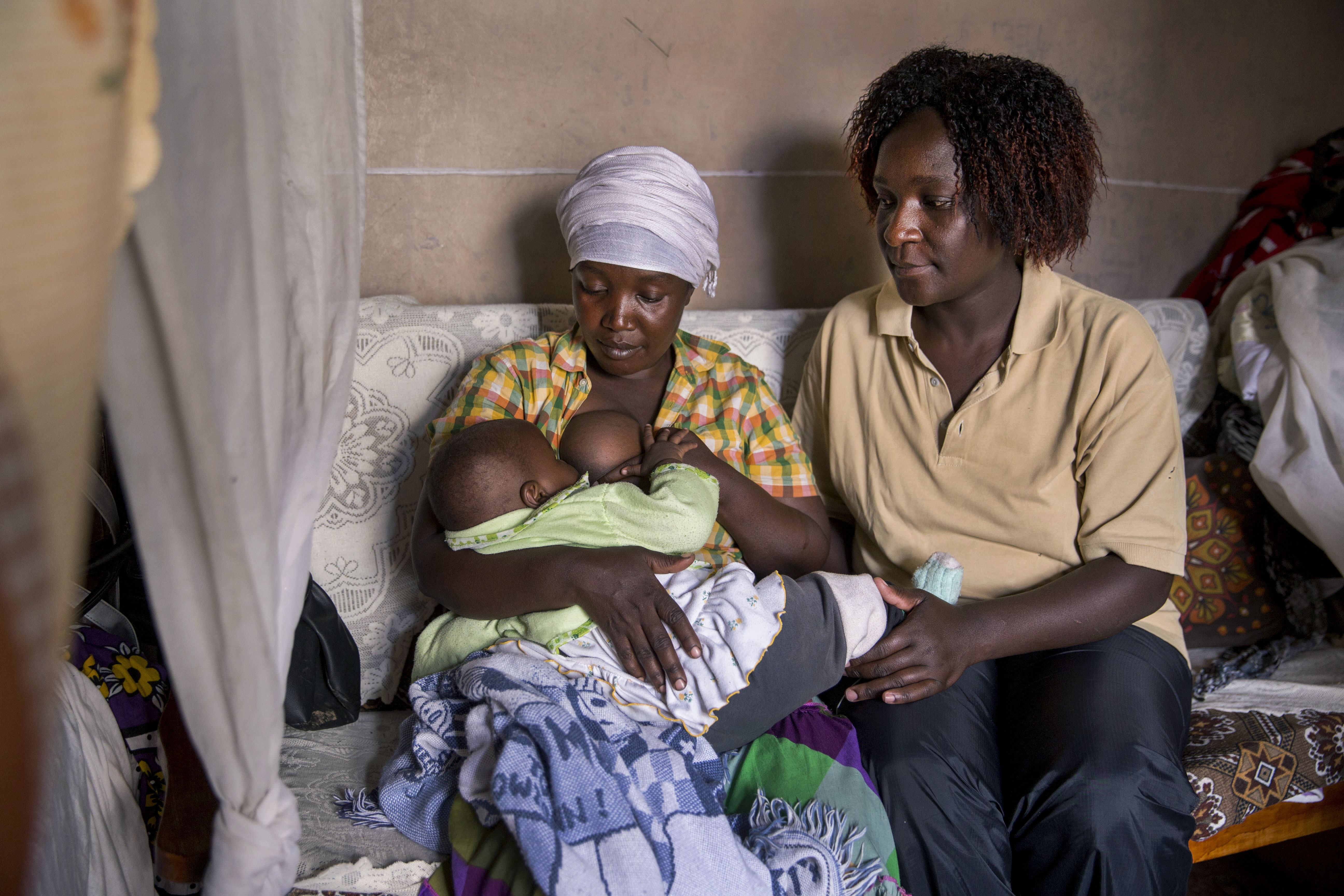
Eight million children under the age of five die every year from preventable diseases. Of those eight million deaths, 2.8 million are neonates according to the World Health Organization. Key interventions like Kangaroo Mother Care, pre-and postnatal care, deliveries in a hospital setting with trained health workers, and exclusive breastfeeding are some proven ways to keep more babies alive.…
-
Infographic of the Week: 2015 African Elections
This year, Africa will see 16 general, parliamentary, or presidential elections. We are particularly interested in the elections in Nigeria, Sudan, South Sudan, Ethiopia, and Zambia and will follow them this year. Of note, Zambia’s election is on January 20 and Nigeria will hold their elections on February 14. After the sudden death of Zambia’s former president, Michael…
-

Ethiopian Health Workers Receive Influx of Family Planning Training
In sub-Saharan Africa, 49 million women use traditional methods of family of no family planning methods at all. In Ethiopia, 39.1 percent of women use modern contraceptives up from 15 percent in 2005. The current low rate of contraceptive use in Ethiopia is a result of a combination of factors: cultural biases as well as a…
-

Uganda Moves Closer to Using Misoprostol to Curb Postpartum Hemorrhage
In low- and middle-income countries women continue to die each day during and immediately after childbirth mainly due to postpartum hemorrhaging (PPH). In fact, most maternal deaths in sub-Saharan Africa (440 every day) are caused by PPH. The World Health Organization’s strong recommendation to save mothers who experience PPH is to administer oxytocin, the most effective drug to stop…
-
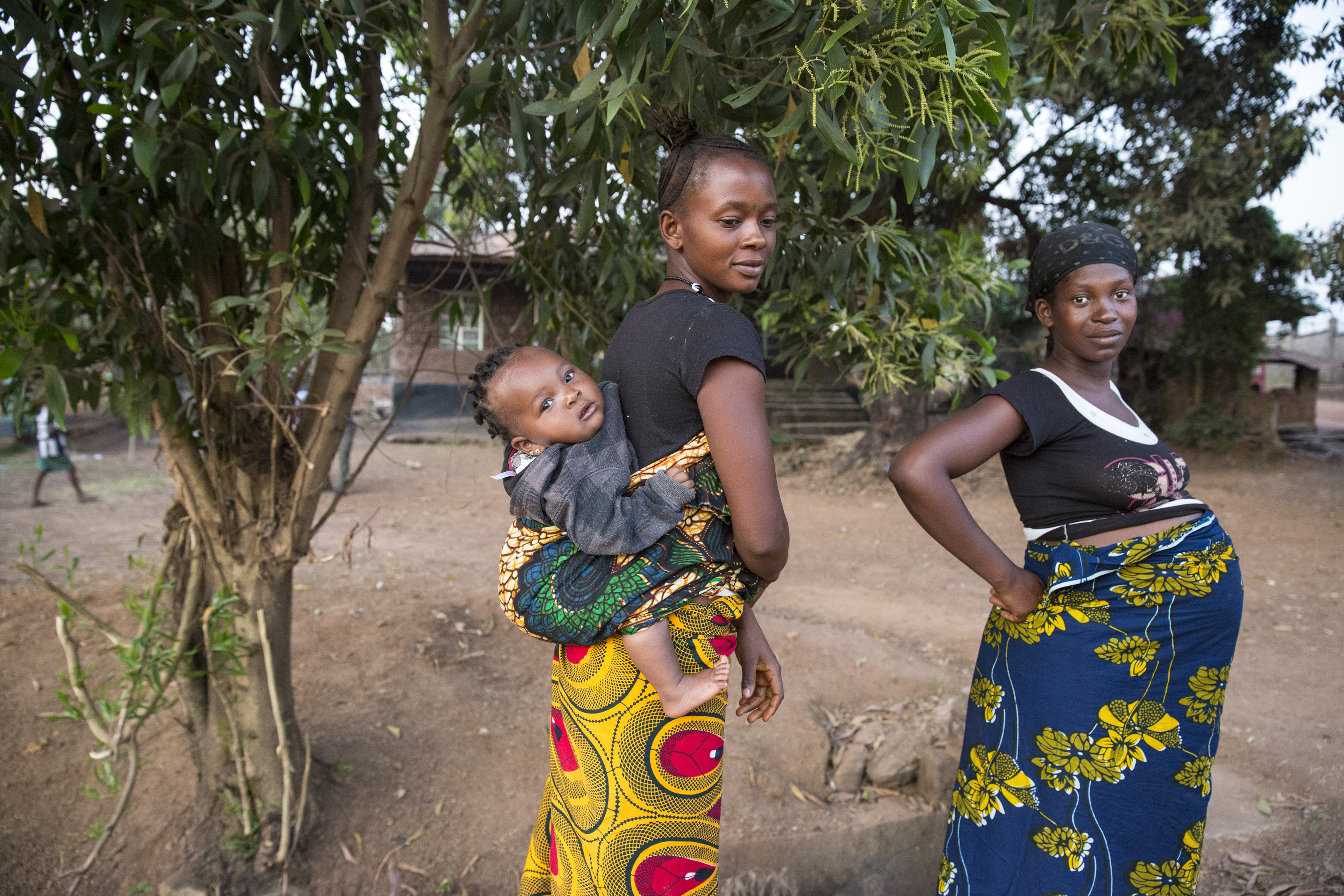
5 Global Health Stories We’re Following This Year
2015 will be an interesting year in global health primarily because this is the year when the Millennium Development Goals should ideally be reached. Global health experts admit that many of the goals, for example MDG5, will not be reached globally even though some of them have already been reached on a country level. Ethiopia effectively reached MDG4…
-

Our 12 Biggest Highlights of 2014
2014 was a very good year! We partnered with leading NGOs and nonprofits to advance causes that mean the difference between life and death and quality living for the world’s poorest citizens. We traveled around the world to report on water and sanitation, newborns, maternal health, disaster relief, and health workers. We traveled domestically to report…